





Mimetic architecture

Mimetic architecture, also known as ‘novelty’ or ‘programmatic’ architecture, is a style of building design popularised in the United States in the first-half of the 20th century. It is characterised by unusual building designs that mimic the purpose or function of the building, or the product it is associated with.
Mimetic architecture was particularly popular between the 1920s and 1950s, as cars became widespread and freeways were built across America. Some roadside architecture started to be seen as a means for advertising to passing cars. For example, a roadside restaurant might be designed in the shape of a giant hot dog, a coffee shop in the shape of a coffee pot, or a fruit stand in the shape of a piece of fruit.
While mimetic architecture fell from favour after the 1950s and many such buildings were redeveloped or demolished, their size and novelty means that many are now viewed as local landmarks to be preserved.
[edit] Famous examples include:
Kansas City Public Library, Kansas City


Randy’s Donuts, California

The Big Basket, Newark

Water towers and storage tanks are often disguised in inventive ways, such as the House in the Clouds in Thorpeness (below).

Mimetic architecture can also refer to the replication of famous landmarks. This is popular in China, Japan and particularly, the United States. Perhaps the place where this is most synonymous is Las Vegas where buildings have been constructed that mimic an Egyptian pyramid (Luxor Las Vegas), the New York skyline (New-New York Hotel and Casino), the Eiffel Tower (Paris Las Vegas), a cartoon-medieval castle (Excalibur), the Rialto bridge (Venetian), and Roman classical architecture (Caesar’s Palace).

[edit] See our unusual buildings gallery HERE.
[edit] Related articles on Designing Buildings
- American architecture and construction.
- Architectural styles.
- Art Moderne.
- Big Duck.
- Britain’s greatest maverick building.
- Constructivist architecture.
- Dancing House, Prague.
- Dunmore Pineapple.
- Fish Building, India.
- Gereja Ayam.
- Haines Shoe House.
- Historical versus Modern: Identity through imitation.
- Lotus Temple.
- Luxor Las Vegas
- Metabolism.
- Piano Building.
- Skeuomorphism.
- Teapot building.
- Teapot Dome Service Station.
- The Big Basket.
- The Kelpies.
- The Oculus.
- Unusual building design of the week.
Featured articles
Check out some of the best features and news from Designing Buildings as well as key stories from around the web.
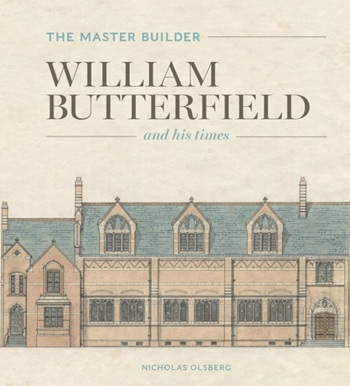
The Master Builder: William Butterfield and his times. Book review.
Why construction can't afford to ignore the skills gap.
Building Safety Regulator, 19 August

Gill Kernick appointed Independent Chair of Residents’ Panel.
Connecting knowledge, technology and conservation
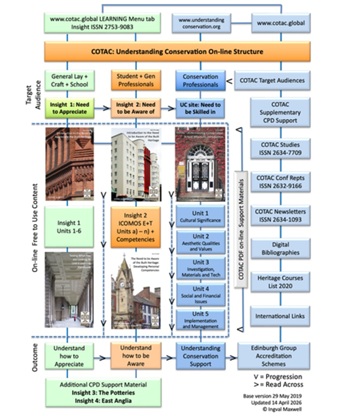
Building competence for the future of built heritage.
Building Regulations and Building Safety Act
CIOB publishes free advice for non-domestic clients.
Building Safety Newsletter from MHCLG.
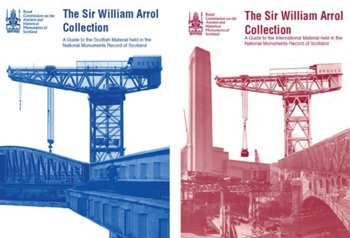
An extraordinary record of steel engineering worldwide.

Households living near new pylons to save on bills.

ECA warns growth must not outpace grid capacity or skills.
The role of the client and decision making

CIOB response to built environment professions call for evidence.
Construction's sustainability reporting revolution
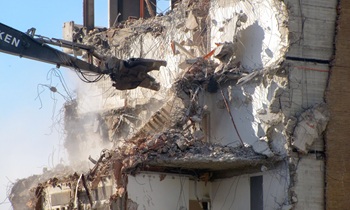
Tracking upfront embodied carbon with digital tools.
ECA welcomes procurement reforms
Public spending must back British jobs and skills.